













Skip to content

Use your data

Use your data

Query, enrich and share data.
1 of 2

Start with the data you already have before buying more. A spreadsheet or CSV can go straight into a chat-based analysis tool, and long documents into an AI assistant that summarises them. Enrichment and scraping tools bring in outside data, which makes sense once you know which fields your sales or research needs. A managed database only becomes necessary when your spreadsheets buckle under the load or you start building an app.

Which one to pick

Our pick in each category, and the situation it suits.

Want an AI assistant to answer questions from your Postgres data?

Supabase gives you managed Postgres with row-level security, so you control which rows a connected tool can read. Neon scales to zero when idle and lets you branch a copy of the data for each test, a safe place to let an agent run queries. Through an MCP server, Claude can run those queries for you from the desktop app. All three have a free plan to start.

SupabaseNeonClaude

Got a lead list full of gaps?

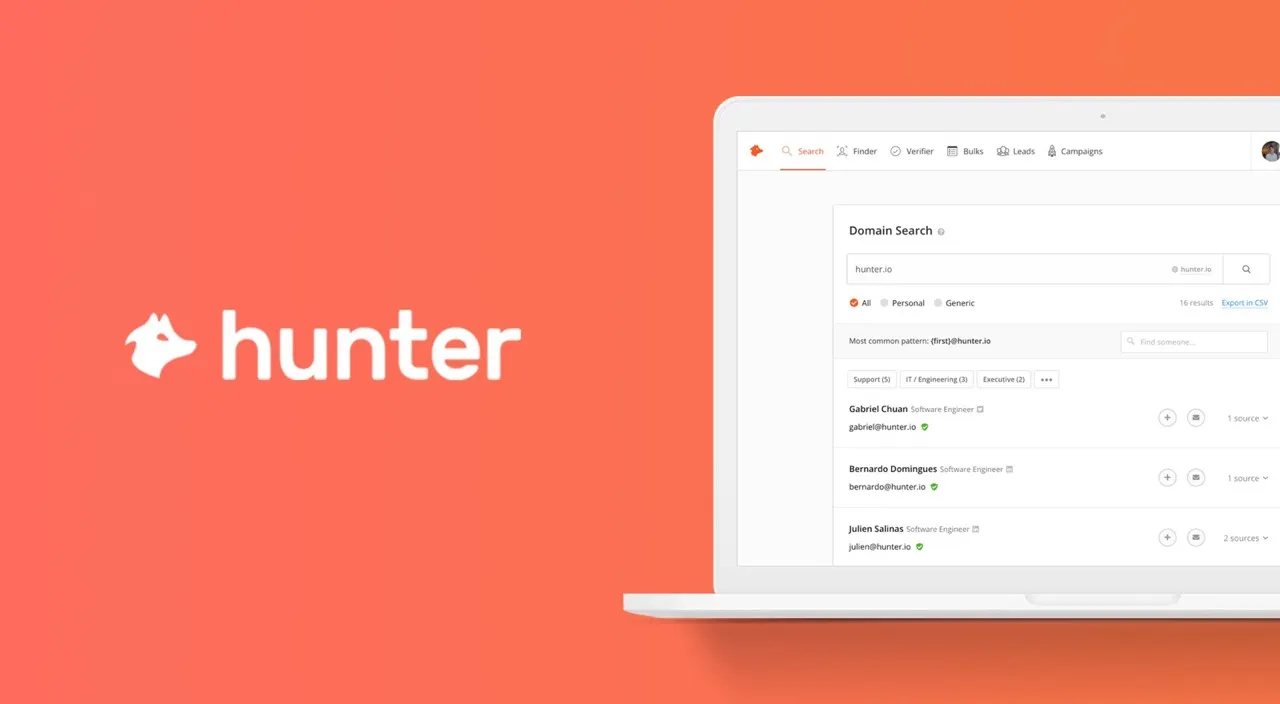
Apollo fills in contact and company details from its own B2B database, and its free plan suits founders building a first outbound list. Hunter finds and verifies work emails from a company domain, through a Chrome extension or its API. Selling in Europe and careful about GDPR? Dropcontact, a French company, enriches records by algorithm without a stored contact database, from €79 a month with 50 free credits to try it.

ApolloHunterDropcontact

Need the gist of long documents in your team channel?

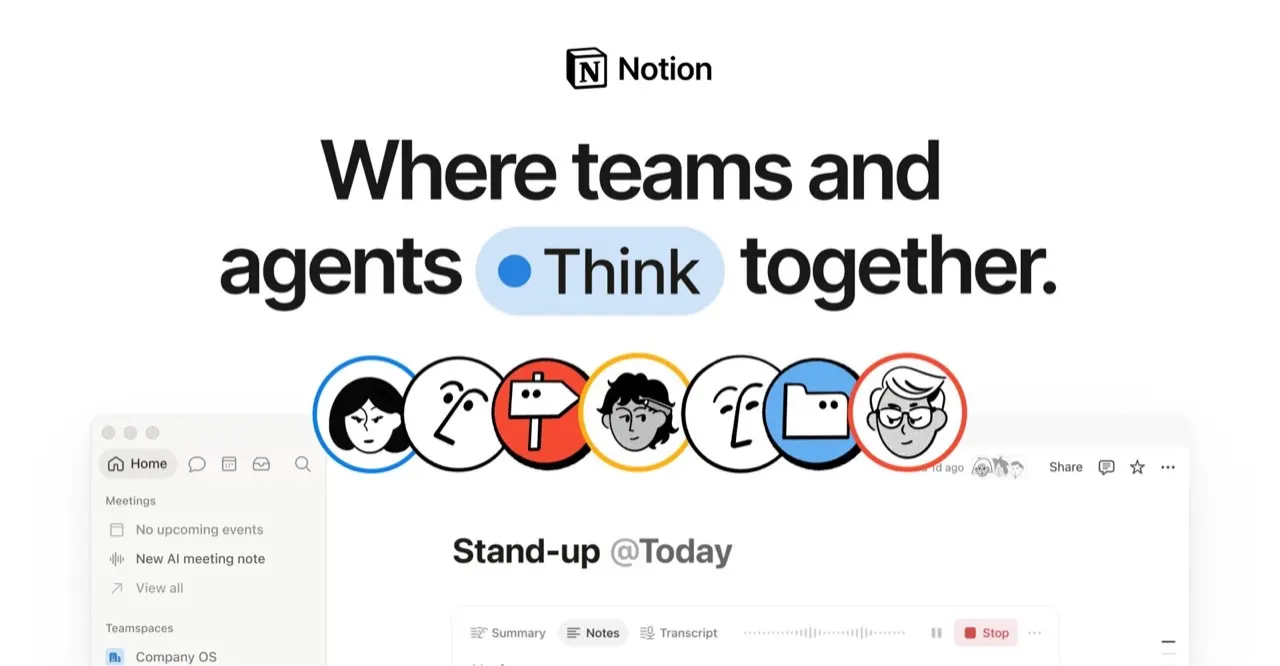
Claude reads long documents carefully and has a free plan, so it can turn a report into a short summary. Post that summary in a Slack channel for the project and your team can search it later with the rest of the conversation. If the summaries should live as reference pages, Notion keeps them in a shared wiki and its built-in AI summarises pages too.

ClaudeSlackNotion

Researching a topic and want sources you can check?

Perplexity answers with the sources it used, and every claim links back for you to verify. NotebookLM works on documents you add, such as PDFs or Google Docs, and cites the passage behind each answer. For scientific papers, Elicit pulls findings from many studies into tables, with a free plan that runs on credits.

PerplexityNotebookLMElicit

Have a spreadsheet and questions you cannot answer with formulas?

Julius takes a CSV or a database connection, writes and runs the analysis code for you, and returns charts, which suits founders and marketers who cannot program. ChatGPT also analyses uploaded files and covers the basics on its free plan. Once a data team shares the work, Hex puts SQL and Python in one notebook and publishes results as apps colleagues use without code.

JuliusChatGPTHex

Tracking competitor prices across the web?

Browse AI lets you train a robot by clicking on the prices you want, then sends changes to Google Sheets or Airtable, with a first robot on the free plan. Apify has ready-made scrapers for sites like Amazon and Google Maps, billed pay as you go after a free monthly credit. Airtable then holds the results in linked tables, with automations to flag a price drop.

Browse AIApifyAirtable

Questions

What people ask about use your data.

Can I analyse a spreadsheet without knowing formulas or code?

Julius was built for that: you upload a spreadsheet or CSV, ask in plain language, and it writes and runs the analysis code, then returns charts and tables. ChatGPT and Claude also analyse files you upload, and you can try either free. Check the output on a sample whose numbers you already know before trusting a chart. If the data sits in a database, connect it to Julius instead of exporting a file each week.

How do I fill in missing details on a lead list?

Apollo is the easiest start: its B2B database fills in contact and company details, and the free plan is generous. Hunter finds and verifies work email addresses from a company domain, with free monthly credits. Clay pulls from many data providers at once and uses AI research steps to fill custom fields, which suits agencies running outbound at scale. Ask only for the fields you will use in a message, not every column on offer.

Which AI tool suits research with sources I can check?

Perplexity replies with a short answer and links each claim to its source, so you can verify it yourself. It also runs longer research reports and can stick to academic sources. Claude handles long documents and careful reasoning well, which helps once you have the reports in hand. ChatGPT searches the web too, so one assistant may cover both jobs if you already pay for it.

Is web scraping a sensible way to build lists or watch competitors?

Scraping public pages works well for prices, listings and business directories, provided you respect each site's terms and data protection rules. Apify offers ready-made scrapers called Actors for sites like Google Maps, Instagram and Amazon, billed pay as you go with a free monthly credit. Firecrawl is an API that turns websites into clean markdown or structured data, which suits developers feeding content to AI. If you do not code, start with an Apify Actor.

When does a small business need a real database instead of spreadsheets?

Airtable is the usual middle step: it looks like a spreadsheet, but you link records between tables and add automations, and it has a free plan. Move to a database such as Supabase or Neon once you are building an app or a customer portal. Supabase adds auth, file storage and generated APIs on top of Postgres, and Neon scales to zero when nobody uses it. Neither costs anything to start, and Claude can help you write the queries if SQL is new to you.