

















Skip to content

Win customers

Win customers

Find people, follow up, close.
1 of 2

Start with the step where you lose most customers today. If nobody knows you exist, a social scheduler or a lead database comes first; if enquiries arrive but go cold, a free CRM and a booking link fix more than any outreach tool. Restaurants sit apart: a reservation system with deposits does the work of a CRM for diners. Hold off on cold email platforms and AI sales agents until you know which message gets replies.

Which one to pick

Our pick in each category, and the situation it suits.

Building your first list of people to contact?

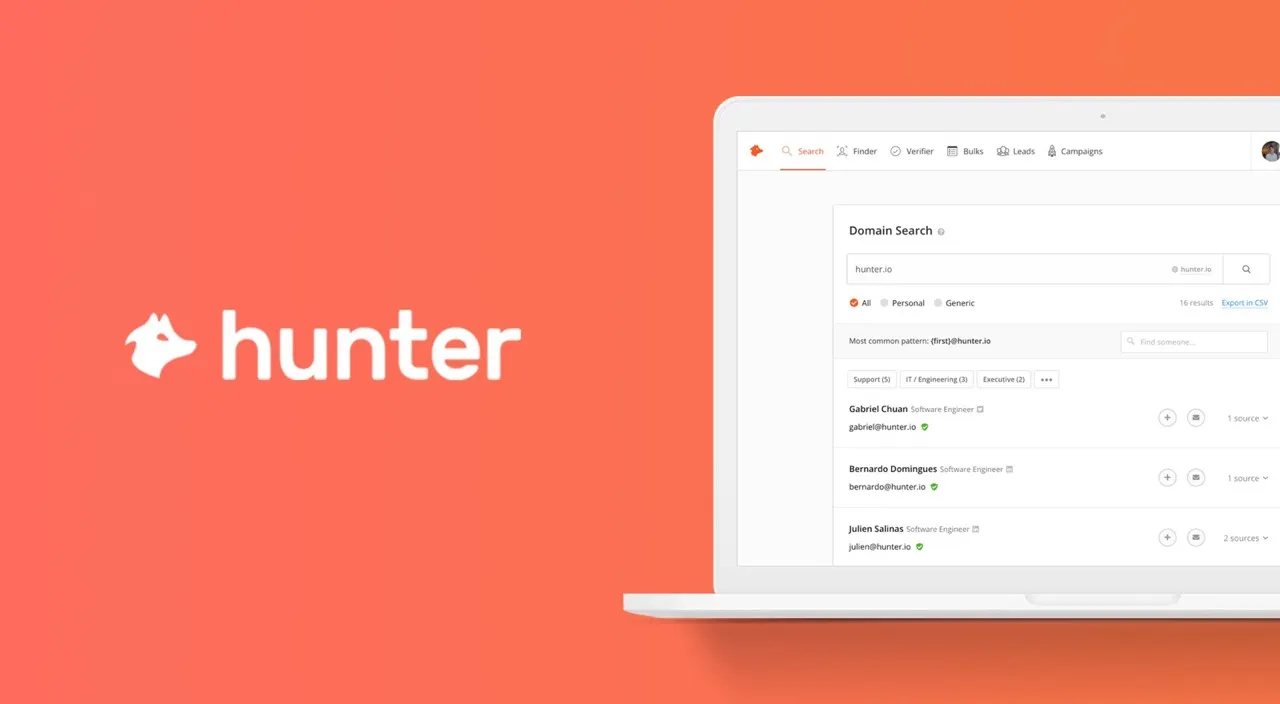
Apollo pairs a large B2B contact database with sequences, a dialer and meeting booking, and its free plan covers a founder doing their own outbound. Hunter does one narrower job: it finds work addresses from a company domain and checks they deliver, with free monthly credits. Clay suits agencies, since its AI research steps read company websites to fill custom fields for very targeted lists.

ApolloHunterClay

Need somewhere to track every deal and contact?

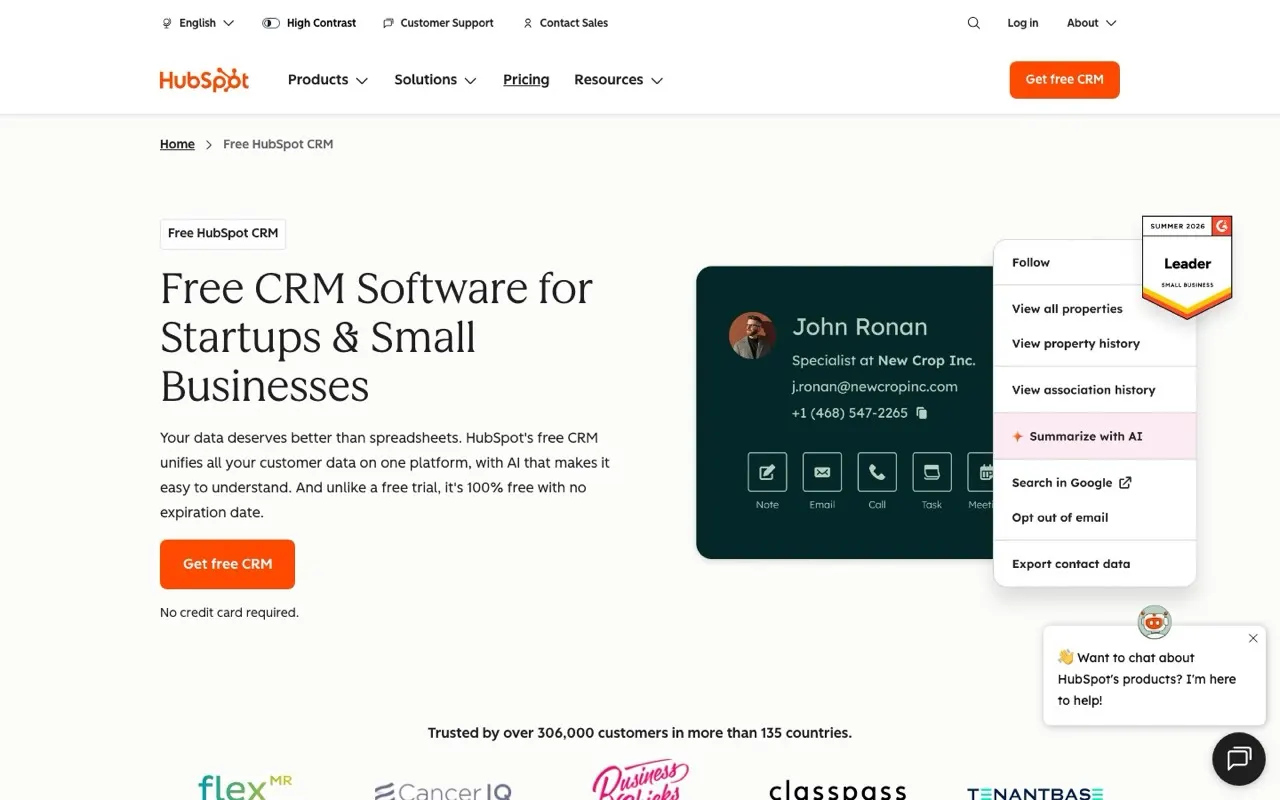
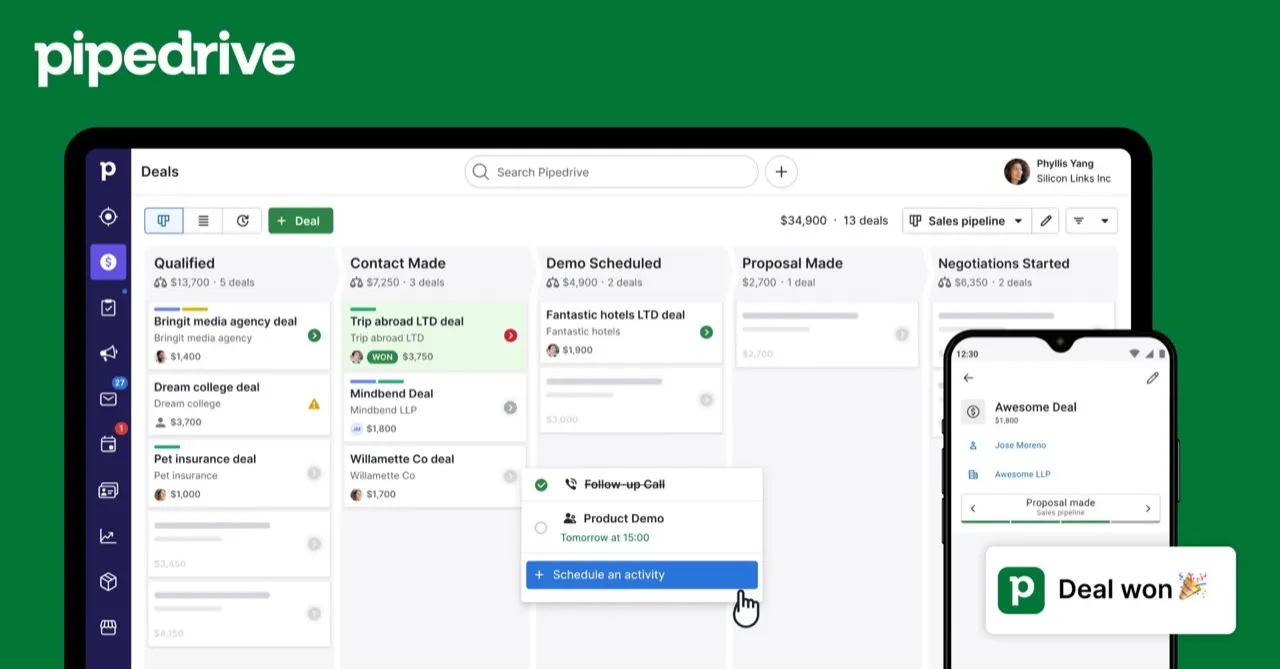
HubSpot gives you a free CRM and lets you add paid hubs for marketing or service once more of the team needs the same customer record. Pipedrive starts at $14 a month and lays deals out as a visual pipeline a small sales team can learn in an afternoon. Attio builds itself from your email and calendar, so startups leaving a contacts spreadsheet can start on its free plan.

HubSpotPipedriveAttio

Sending cold emails without landing in spam?

Instantly and Smartlead both connect as many inboxes as you like and warm each one up before campaigns go out. Smartlead starts at $39 a month and rotates sends between mailboxes, with every reply in one shared inbox, a setup agencies favour. A founder sending a few dozen emails can begin with Hunter, which verifies addresses and sends simple campaigns from your own inbox on a free plan.

InstantlySmartleadHunter

Want clients to book a call without ten emails?

Calendly has a free plan and most clients already know its booking link, so nobody needs instructions. Cal.com is open source and free too, which lets you host it yourself and keep booking data in Europe. Coaches and therapists who charge per session can pick Acuity Scheduling, where clients fill in an intake form and pay a deposit as they book.

CalendlyCal.comAcuity Scheduling

Running a restaurant and tired of empty tables?

Zenchef puts a booking widget on your own website, takes card guarantees against no-shows and charges no commission per cover. TheFork Manager lists you on the big diner app in France, Spain and Italy, and its promotions can fill quiet services. Restaurant groups chasing repeat visits can look at SevenRooms, which keeps guest data and marketing in your hands.

ZenchefTheFork ManagerSevenRooms

Sending newsletters and campaigns to customers?

MailerLite is free up to 500 subscribers and suits a first newsletter. Brevo, a French provider, sends 300 emails a day for free and adds SMS and WhatsApp. Shops on Shopify get abandoned cart emails from Klaviyo or Mailchimp, using their order data.

MailerLiteBrevoKlaviyoMailchimp

Losing leads because nobody followed up in time?

Zapier connects your form, CRM and chat apps on a free plan, so a new enquiry can create a contact and ping the team on Slack. Pipedrive, from $14 a month, adds automations and AI suggestions that flag deals going quiet. HubSpot keeps emails, forms and deals on one record, so anyone in the team sees the last contact before replying.

ZapierPipedriveHubSpot

Can AI draft outreach and research leads for you?

Claude connects to MCP servers through Claude Desktop, so it can read your own tools and files while it researches a prospect, and a free plan lets you try it. HubSpot and Attio both offer free CRM plans that store the records an AI agent works from. Attio enriches contacts and companies by itself, which saves the lookup work before any message goes out.

ClaudeHubSpotAttio

Planning a week of posts in one go?

Buffer schedules to Instagram, LinkedIn, TikTok, X and more from one calendar, and its free plan covers a few channels. Publer also starts free and can resend your top posts, a good fit for solo marketers on a tight budget. Later shows how your Instagram or TikTok feed will look before anything publishes, which matters to creators who plan their grid.

BufferPublerLater

Finding clients on LinkedIn, X or Instagram?

Taplio, from $39 a month, drafts LinkedIn posts with AI and suggests people to engage with, which suits founders who win clients there. Typefully has a free plan and a clean editor for threads on X, LinkedIn, Threads and Bluesky. Metricool, a Spanish tool with a free plan, reports on social accounts, website and ads together, handy for freelancers managing several brands.

MetricoolTaplioTypefully

Writing ads and product pages that sell?

ChatGPT drafts posts, emails and landing page text on its free plan, and paid plans add usage for daily work. Anyword scores each headline or ad line before you publish, so teams paying for ads can choose by predicted performance. Shops with hundreds of products can hand the catalogue to Hypotenuse, which writes descriptions and SEO copy in one batch.

AnywordChatGPTHypotenuse AI

Questions

What people ask about win customers.

Which tools should a new business set up first to get customers?

Most new businesses need two things before anything else: a place to record every lead and a way for people to book you. HubSpot and Attio both have free CRM plans, and Calendly or Cal.com give you a free booking link to share. With those in place, nobody who shows interest slips through. Add outreach or post scheduling once you have a few weeks of contacts to work with.

Can one app cover my CRM, outreach and meeting booking?

Apollo comes close for B2B sellers: it pairs a contact database with email sequences, a dialer and meeting booking, and its free plan is generous. HubSpot keeps contacts, deals, emails and forms on one record, and you add paid hubs as your marketing grows. Many small teams still prefer separate tools that each do one job, such as Pipedrive for the pipeline and Calendly for calls. Zapier can link them so a new booking creates a deal without copying.

How much does it cost to start finding customers with software?

You can start at zero. Apollo, HubSpot, Buffer, Metricool, Calendly and Cal.com all have free plans that cover a small business's first months. The first paid step tends to be a dedicated CRM such as Pipedrive, from $14 a month, or a LinkedIn tool like Taplio, from $39 a month. Pay for a tool once its free limits are what holds you back.

Is cold email worth it for a small business in Europe?

Cold email works best for B2B offers where you can name the exact company and person you want to reach. Hunter finds and verifies work addresses from a company domain, and Instantly sends campaigns across several inboxes with warm-up to keep you out of spam. EU data protection rules apply to prospect lists too, so keep them small, relevant and easy to opt out of. If you sell to consumers, social media and bookings will bring you more customers than cold outreach.

Which tools help a restaurant or salon fill tables and appointments?

Restaurants need a reservation system rather than a sales CRM. Zenchef gives you your own booking widget with deposits and card guarantees and charges no commission per cover, while SevenRooms adds a guest CRM and marketing for groups. OpenTable lists you in its diner app, which brings new guests but ties bookings to its marketplace. Salons, coaches and therapists do better with Acuity Scheduling, where clients leave a deposit and fill in your intake form as they book.